
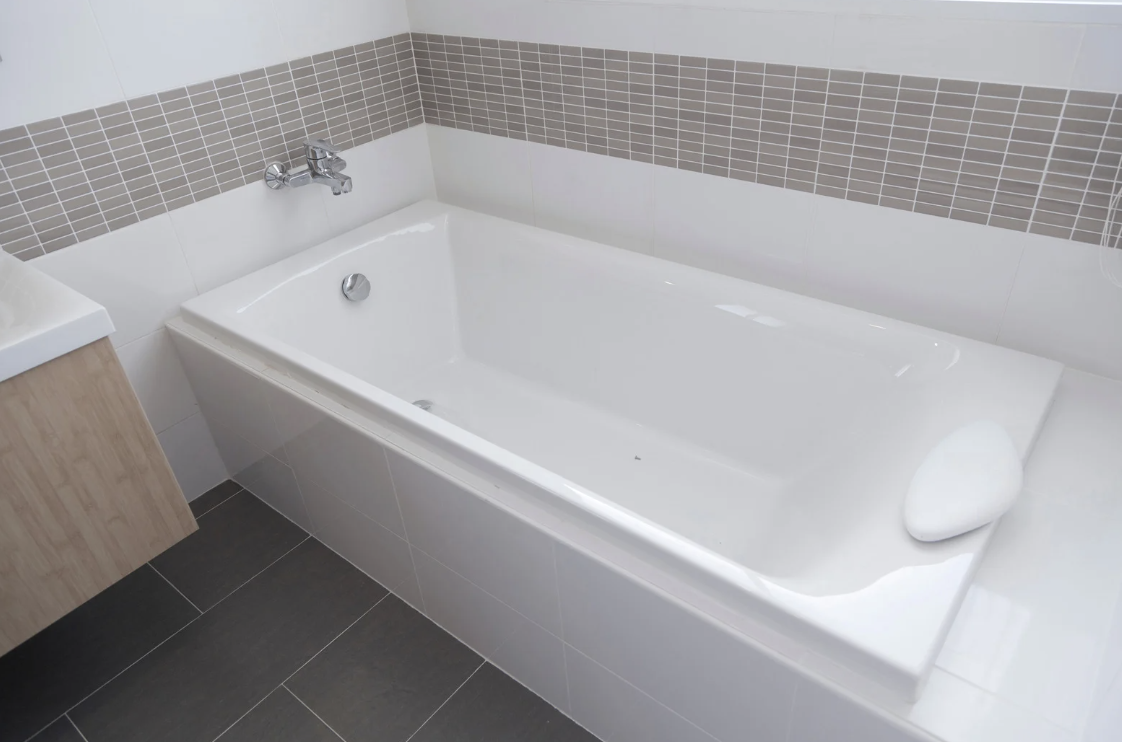
Keeping your bathtub clean is essential not only for a fresh-looking bathroom but also for maintaining a healthy, hygienic home. Over time, soap scum, hard water stains, body oils, and mildew can build up on tub surfaces. If ignored, this buildup becomes harder to clean and can even affect your plumbing. Fortunately, with the right products and techniques, you can keep your bathtub spotless with minimal effort. Pacific Rooter created this easy-to-follow guide to help you clean your tub like a pro.
Why Regular Bathtub Cleaning Matters
A clean bathtub does much more than improve your bathroom’s appearance. Regular cleaning helps prevent mold growth, stubborn water stains, and unwanted odors. It also protects the finish of your tub, keeping it smooth, shiny, and free of scratches. When soap, grime, and debris accumulate, they often end up in the drain, leading to slow drainage or blockages. Taking a few minutes each week to clean your tub helps maintain your plumbing system and reduces the risk of costly clogs or repairs.
What You’ll Need
Most bathtubs can be cleaned using items you already have at home. These safe, gentle supplies work well on porcelain, fiberglass, acrylic, and enamel tubs.
- Baking soda
- White vinegar
- Mild dish soap
- Soft sponge or non-abrasive scrub brush
- Microfiber cloth
- Bucket or cup for rinsing
- Optional: hydrogen peroxide for stubborn stains or mildew
If your tub has a delicate finish, always test cleaners on a small area first.
How to Clean a Bathtub Step-by-Step
1. Rinse the Tub Thoroughly
Start by rinsing the entire tub with warm water. This loosens dirt, soap residue, and hair, making it easier to clean the rest of the surface. Removing the initial layer of grime ensures your cleaning products can work more effectively.
2. Apply a Safe Cleaning Solution
A gentle cleaning mixture works well for most tubs. Combine one cup of white vinegar, a few drops of dish soap, and warm water in a spray bottle or small container. Apply the mixture evenly across the tub, especially along the bottom, corners, and around the drain—these areas tend to hold the most buildup.
3. Sprinkle Baking Soda
While the surface is still wet from the cleaning solution, sprinkle baking soda over the tub. The combination of vinegar and baking soda creates a natural foaming action that helps lift stains, soap scum, and grime without damaging the tub’s finish.
4. Scrub Gently but Thoroughly
Using a soft sponge or scrub brush, start scrubbing the tub in circular motions. Focus on areas where grime has hardened, including around the drain, faucet, and anywhere discoloration appears. Take your time to make sure all residue loosens. Avoid steel wool or harsh scrub pads, as they can scratch the surface.
5. Let the Cleaner Work
After scrubbing, allow the vinegar and baking soda mixture to sit for 10 to 15 minutes. This resting period helps break down tough stains and gives the solution time to work on deep grime.
6. Rinse Completely
Rinse the tub again with warm water until all cleaner is washed away. Make sure no residue remains, as leftover cleaner can attract dirt or create streaks. Use a cup or bucket if you don’t have a detachable showerhead.
How to Clean Tough Stains
Some tubs have stains that require extra attention. Here are a few safe solutions:
Hard Water Stains
For those chalky, white minerals left behind by hard water, create a paste using baking soda and vinegar. Spread it over the stains, let it sit for 20 minutes, then scrub and rinse.
Stubborn Soap Scum
Mix equal parts dish soap and vinegar. Heat the vinegar slightly before combining—it makes the mixture more effective. Apply it, let it sit for 15 minutes, scrub, and rinse clean.
Mildew or Mold
Spray hydrogen peroxide directly on moldy or discolored areas. Let it bubble for about 10 minutes before rinsing. For deeper mildew, repeat the process or scrub with a soft brush.
Rust Spots
Lemon juice mixed with a little salt creates a natural rust remover. Apply the blend to rust stains, let it sit for 30 minutes, scrub lightly, and rinse. This works especially well on older fixtures and tubs.
How to Prevent Bathtub Buildup
Keeping your tub cleaner between deep cleanings is easy with a few simple habits:
- Rinse your tub after every use to prevent soap residue from hardening.
- Wipe the surface with a microfiber cloth to reduce water spots.
- Use a daily shower spray or vinegar mist to slow buildup.
- Remove hair from the drain regularly to avoid slow drainage or clogs.
- Keep bathroom humidity low by running a fan to prevent mildew growth.
Small habits make a big difference in long-term cleanliness and can help reduce future plumbing issues.
When Your Tub Issues Point to a Plumbing Problem
Sometimes a bathtub that constantly looks dirty or drains slowly is a sign of something else going on behind the scenes. If you notice recurring clogs, foul smells coming from the drain, water backing up, or slow drainage even after cleaning, there may be buildup deeper in your plumbing system. Hair, soap, grease, and mineral deposits can accumulate in pipes over time and restrict water flow.
When that happens, a professional drain cleaning from Pacific Rooter can get things flowing smoothly again. Our team uses safe, effective solutions to clear buildup, improve drainage, and protect your plumbing from future problems.
Need Professional Help? Call Pacific Rooter
Keeping your bathtub clean is easier with the right methods, but if slow drains or stubborn odors keep returning, Pacific Rooter is here to help. We specialize in fast, reliable drain cleaning and plumbing services to keep your bathroom fresh, functional, and worry-free. Whether you’re dealing with a clogged tub or simply want a preventive plumbing check, our team is ready to assist.